The Joy of Slow Living: Embracing Quality Over Quantity
In a world that celebrates speed, multitasking, and constant connectivity, slow living offers a counter-cultural invitation: to pause, to simplify, and to rediscover what truly matters. Slow living is not about moving through life at a snail's pace, but rather about being intentional with your time, energy, and choices. This philosophy challenges the modern assumption that more is better, replacing it with a deeper appreciation for quality experiences, meaningful relationships, and purposeful work.
The benefits of embracing slow living extend far beyond feeling less rushed. Many people who deliberately slow down describe feeling less rushed, more connected to the people around them and more content with what they already have. Whether you're feeling overwhelmed by your current pace or simply curious about a more grounded way of living, this guide will help you understand the philosophy, explore why it appeals to so many people, and discover practical ways to weave slow living into your everyday life.
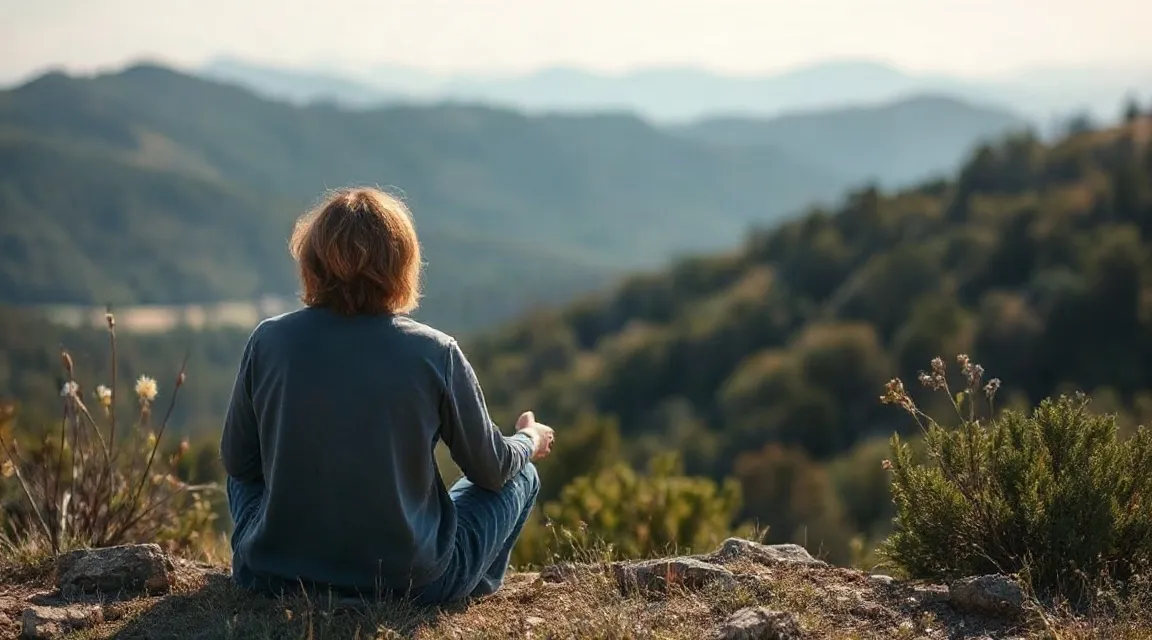
Understanding Slow Living: Philosophy and Foundations
Slow living emerged as a conscious movement in response to the acceleration of modern life. It began in Italy in the 1980s as the "Slow Food" movement, a protest against fast food culture and the erosion of traditional eating practices. Since then, the philosophy has expanded far beyond cuisine to encompass how we work, relate to others, consume, and spend our time. At its core, slow living is rooted in mindfulness—the practice of bringing full awareness and presence to whatever you're doing.
The philosophy rests on several foundational principles. First is intentionality: making conscious choices rather than defaulting to autopilot. Second is simplicity: removing excess to make room for what matters. Third is presence: being fully engaged with the people and activities in front of you. And fourth is sustainability: considering the long-term impact of your choices on your well-being, relationships, and environment. Unlike minimalism, which focuses on owning less, slow living emphasizes being more—more present, more engaged, more connected to your values.
Slow living also acknowledges that modern life requires balance. You don't need to abandon technology or live in rural isolation to practice it. Instead, you create boundaries around how technology serves you, rather than controls you. You design your life around your values rather than accepting society's default rhythms. This might mean declining social invitations that don't energize you, setting work hours with genuine boundaries, or choosing one hobby to develop deeply rather than sampling many superficially.
Why Slow Living Appeals to So Many People and Well-Being
Many people find that slowing down simply feels good. When you rush from task to task, it's easy to feel permanently on edge. Living at that pace for a long time can leave you tired and make it harder to think creatively and make calm decisions. Conversely, when you deliberately slow down, there is room to rest and recover.
Practices associated with slow living—such as mindfulness, gratitude, and time in nature—are popular because many people find them rewarding. Mindfulness is not a treatment for anxiety or depression; if you are struggling, please talk to a doctor or qualified professional. Similarly, quality time with loved ones is something most people say matters to them more than possessions.
Slow living can also make spending decisions calmer. When you rush, you rely on automatic, habitual responses that may not align with your true values. Over time, this leads to less buyer's remorse, greater financial satisfaction, and a reduction in the cycle of consumption and clutter that many people use to cope with stress. In essence, slow living creates a positive feedback loop: less stress leads to better choices, which leads to greater satisfaction and contentment, which reduces the impulse to seek comfort through consumption.
Core Pillars of Slow Living: Time, Work, Relationships, and Consumption
Slow living manifests across four interconnected areas of life. Understanding each pillar helps you identify where to begin and how different aspects of slow living reinforce one another.
Slow Time means reclaiming your calendar from the tyranny of busyness. It's about protecting margin in your schedule for rest, reflection, and spontaneity. This might look like leaving your evenings unscheduled, building in buffer time between appointments, or establishing a "no meetings" day each week. When you stop trying to optimize every minute, you create space for the unplanned conversations, creative insights, and moments of joy that make life rich. Unstructured time is not wasted time; many people find that idle moments are when ideas arrive.
Slow Work involves finding or creating work that feels meaningful and allows for focus and mastery. This doesn't necessarily mean leaving your job; it might mean setting clearer boundaries, pursuing deeper expertise in your field, or reframing your relationship to your work around contribution rather than just compensation. Slow work acknowledges that you spend a significant portion of your life working and that this time should feel purposeful, not extractive. It also recognizes the importance of breaks: truly disconnecting after work hours, taking real vacations, and building in periods of lower intensity.
Slow Relationships prioritize depth over breadth. Instead of maintaining a large, superficial network, slow living encourages investing in a smaller circle of relationships that receive your genuine attention and presence. This might mean having one meaningful conversation per week with a close friend rather than posting to dozens of acquaintances on social media. It means family meals without phones, giving your full attention to one person at a time, and allowing relationships to develop at their natural pace rather than rushing to deepen them.
Slow Consumption shifts your approach to buying and owning. Rather than impulse purchasing or following trends, slow consumption emphasizes choosing fewer, higher-quality items that you truly need and love. It means understanding the origin of what you buy, supporting makers and businesses aligned with your values, and getting more use and enjoyment from fewer possessions. This fits well with the circular economy idea of reducing waste and extending the life of what we already own.
Practical Steps to Begin Your Slow Living Journey
Transitioning to slow living doesn't require a dramatic overhaul. Most people find it's more sustainable to make gradual, intentional changes that compound over time. Here's a concrete approach to get started:
- Audit your current reality. For one week, track how you spend your time. Note which activities energize you and which drain you. Which relationships feel genuinely nourishing? Where do you feel most rushed or scattered? This honest assessment reveals your current baseline and helps you identify priorities for change.
- Choose one pillar to focus on first. Rather than trying to slow down everything at once, select one area—perhaps slow time or slow relationships—where you want to begin. Success in one area often creates momentum that naturally extends to others. For example, protecting your evening time might naturally lead to more meaningful family dinners, which connects time, relationships, and consumption in a virtuous cycle.
- Set specific boundaries. Vague intentions like "spend less time on my phone" rarely stick. Instead, create specific rules: "No phones during dinner," "Email checked only at 9 a.m. and 3 p.m.," or "One work-free weekend day." Specificity makes it easier to follow through and to notice when you've succeeded.
- Create rituals that anchor slowness. A morning ritual with tea and journaling, a weekly walk in nature, a monthly dinner with a close friend, or a Friday evening of no plans—these regular practices reinforce slow living values and give you something to look forward to. Rituals provide structure without rigidity, making slowness feel natural rather than effortful.
- Communicate your intentions to people who matter. If you're reducing your availability or changing how you show up, give people in your life a heads-up. You might say to a friend, "I'm trying to focus my evenings more, but I want to prioritize our friendship by scheduling regular times together," or to a colleague, "I'm protecting my lunch hour for a walk to reset during the day." This prevents misunderstandings and often invites others to reconsider their own pace.
- Expect resistance and adjustments. The culture around you is designed for speed. You may feel guilty for declining invitations, anxious when you're not being productive, or pressure to fill quiet moments. This is normal. Slow living is a practice, not perfection. Adjust as needed and return to your "why"—the deeper values and well-being benefits that motivated this shift.
Overcoming Common Obstacles to Slow Living
Most people who attempt to slow down encounter predictable obstacles. Recognizing them in advance helps you navigate them with compassion rather than judgment. The first obstacle is guilt. Many of us internalize the message that our worth is tied to our productivity. Choosing rest, saying no, or spending time on activities that don't produce external results can trigger shame. Counteract this by reminding yourself that rest is not laziness.
The second obstacle is social pressure. Your peer group, family, or workplace culture may celebrate busyness and view slowness as lack of ambition. You might feel left out when colleagues brag about their packed schedules or when friends assume you're available for last-minute plans. Address this by finding your people—others who share your values around slow living. This might be through online communities, local groups focused on mindfulness or sustainability, or simply inviting like-minded friends to slow down together. Having even one person who understands your values makes it much easier to maintain them.
The third obstacle is technology and information overload. Your devices are designed to capture your attention and keep you in a state of partial engagement. Email notifications, social media alerts, and news feeds create an illusion that you need to stay constantly connected. To address this, consider one or more of these strategies: disable non-essential notifications, create phone-free zones in your home, use app blockers during certain hours, or schedule specific times to check email and social media rather than constantly. Even these small changes can make the day feel less hurried.
The fourth obstacle is fear of missing out (FOMO). Many of us fear missing out, and a culture of constant activity feeds that fear. When you slow down and become selective about your time, FOMO often arises. Recognize that you are, by definition, always missing out on something—and that's okay. By being intentional about where you direct your attention, you're actually gaining the presence to fully engage in what you do choose. You're trading the illusion of experiencing everything for the genuine satisfaction of experiencing something deeply.
Creating a Slow Living Rhythm That Works for Your Life
There is no single template for slow living because your version will depend on your circumstances, values, and season of life. A parent of young children will structure slow living differently than a single professional or someone approaching retirement. The key is to design your own rhythm rather than adopting someone else's model wholesale. Start by considering your natural rhythms. Are you someone who thrives with early mornings or late nights? Do you prefer solitude or social time? What activities make you lose track of time? Your slow living practice should amplify these natural rhythms rather than working against them.
Next, consider your obligations and work backwards. If you work full-time, you might protect your weekday evenings and one full weekend day. You might design your mornings to include a practice like meditation or a walk before work begins. If you have caregiving responsibilities, you might find slowness in how you engage with those activities—turning routine tasks into mindful, connecting moments rather than checking boxes. The point is not to achieve some perfect state of slowness but to create pockets of intentional living within your actual life.
A practical tool for many people is the weekly rhythm. You might structure your week with certain themes: Mondays for planning and intention-setting, Tuesdays and Thursdays for deep focus work, Wednesdays for lighter commitments or creativity, Fridays for wrapping up and reflecting, weekends for rest and relationships. Within this rhythm, you build regular practices—a morning meditation, a Friday walk, a Sunday dinner ritual—that anchor you to your values. This creates enough structure to prevent the constant scramble of reacting to urgent demands while leaving room for spontaneity and flow.
Deepening Your Practice: Moving from Technique to Transformation
In the beginning, slow living often feels like adding practices to your life: a meditation app, a planning system, a new bedtime ritual. While these tools are useful, the deeper work is about shifting your relationship to time, productivity, and worth. This is where slow living moves from a lifestyle strategy to a genuine transformation of how you experience life. This shift often happens through sustained practice and reflection. You might begin with simple strategies—protecting your evenings or setting phone boundaries—and discover over weeks and months that your entire relationship to urgency and achievement has changed. You realize you're no longer measuring your worth by how much you accomplish. You find yourself genuinely enjoying doing one thing at a time. You notice that the people close to you seem more important than external achievements.
To deepen this transformation, consider regular reflection practices. Journaling and meditation are two simple practices that can help you reflect on your experience and clarify your values. A simple weekly reflection might involve asking yourself: What brought me joy this week? Where did I feel rushed, and why? What do I want more of? What do I want less of? Over time, these reflections reveal patterns and help you make increasingly intentional choices.
You might also explore contemplative practices that slow down your mind itself. Meditation, yoga, time in nature, creative pursuits, or even slow cooking can all serve this function. The specific practice matters less than your commitment to regularly stepping out of thinking mode into being mode. In our culture, we're trained to be doers and thinkers. Slow living invites you to cultivate being—simply experiencing life as it unfolds without constantly trying to improve, fix, or optimize it. This shift from doing to being is where many people discover the deepest benefits of slow living: a sense of peace that doesn't depend on external circumstances, a presence with loved ones that feels like a gift, and a contentment that isn't contingent on achievement.
Slow Living and Sustainability: The Interconnection
An often-overlooked benefit of slow living is its environmental impact. When you slow down your consumption, you automatically reduce your ecological footprint. When you buy fewer, higher-quality items, you generate less waste. When you grow some of your own food or support local producers, you reduce transportation emissions. When you work less frantically and feel less stressed, you're naturally less drawn to the shopping, dining out, and other consumption patterns that often serve as stress relief. In essence, slow living and environmental sustainability are not separate values—they're deeply interconnected.
The circular economy idea of keeping things in use for longer fits slow living well. Rather than the linear model of buy-use-discard, circular thinking emphasizes designing for durability, repairability, and continued use. This is the opposite of fast fashion and disposable culture. When you practice slow consumption, you're naturally moving toward circular principles. You keep clothing longer and repair it. You invest in good kitchen tools you'll use for decades. You buy less but choose more carefully. This extends the life of products and reduces the resource extraction needed to manufacture new ones.
Many people who embrace slow living find that environmental consciousness and personal well-being reinforce each other. You plant a garden not just for vegetables but for the meditative practice and connection to nature. You cook from scratch not just for nutrition but for the sensory pleasure and time with family. You walk or bike not just to reduce emissions but for the pleasure of being outside and the daily contact with your community. These practices serve multiple values simultaneously, making slow living feel less like sacrifice and more like abundance.
Sustaining Slow Living Long-Term: Making It Stick
The enthusiasm that often accompanies a new commitment—whether to slow living, a new practice, or a lifestyle change—typically fades within weeks or months. Lasting change usually means moving from conscious effort to habit. This takes time, typically several months of consistent practice. To help your slow living practice take root, consider these strategies:
- Start with one specific change rather than trying to overhaul everything. Narrow focus makes success more likely.
- Make it as easy as possible. If you want to meditate, set up a dedicated spot with your cushion already in place. If you want to eat slower, remove distractions from your dining space.
- Track your progress without judgment. Simply noting when you succeeded at your goal (even a simple checkmark on a calendar) increases follow-through.
- Connect with others who share your values. Whether through in-person groups or online communities, support from other people makes lifestyle changes easier to keep.
- Expect lapses and plan for them. You will sometimes rush, overcommit, or forget your intention. Rather than viewing this as failure, plan in advance how you'll gently return to your practice. "When I notice I'm rushed, I'll take three deep breaths and choose one priority" is more effective than "I will never feel rushed again."
- Regularly reconnect with your "why." Your motivation for slow living won't be external pressure (that's the opposite of the philosophy) but something intrinsic: better sleep, deeper relationships, alignment with your values, or simply a sense of peace. When motivation flags, spend time remembering what led you to this path.
Finally, give yourself permission for slow living to look different at different seasons. A period of career transition might involve more intentional work focus. Parenting young children might mean less solitude than you'd like. Health challenges might temporarily disrupt your routines. Rather than viewing these as failures, see them as seasons within the larger arc of an intentional life. The commitment to slow living is to return to it, again and again, as your circumstances shift.
Not Sure What to Read Next?
Answer five short questions and get a reading suggestion from this site. Nothing is sent or stored.
Take the Topic QuizOccasional Updates
If you would like an email when new articles are added, you can ask to be put on our newsletter list. It is free, and you can ask to be removed at any time.
Newsletter Signup