Sustainable Fashion: Building a Conscious Wardrobe That Lasts
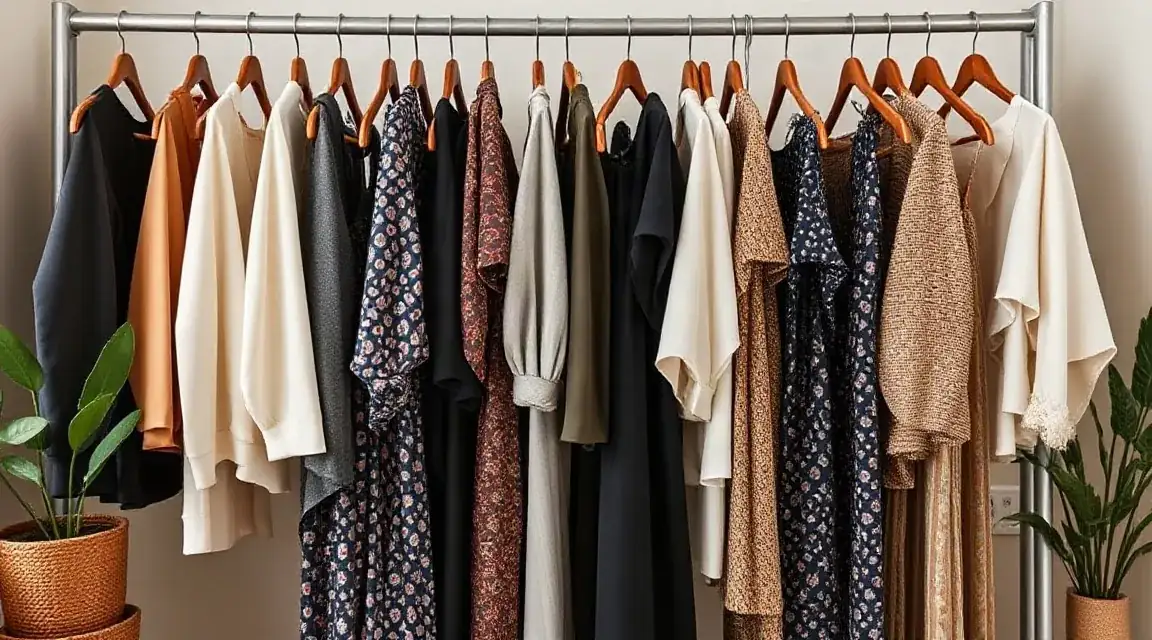
The clothes we wear tell a story—not just about our personal style, but about our values and the world we inhabit. In an era where the fashion industry ranks among the largest contributors to global water pollution and textile waste, choosing to build a conscious wardrobe has become an act of meaningful resistance and self-care. This guide explores how thoughtful clothing decisions can align your daily choices with your values, creating a wardrobe that endures both in durability and in its positive impact on people and planet.
In This Article
- Understanding the True Cost of Fast Fashion
- The Philosophy Behind Conscious Consumption
- Practical Steps to Begin Your Sustainable Wardrobe Journey
- Where and How to Source Sustainable Clothing
- Caring for Your Wardrobe to Maximize Longevity
- Navigating Challenges and Building Sustainable Habits
- The Broader Impact of Your Choices
- Practical Checklist for Starting Your Sustainable Wardrobe
Understanding the True Cost of Fast Fashion
Before we can appreciate the value of sustainable fashion, it's important to understand what we're moving away from. The fast fashion model—characterized by rapid production cycles, trend-driven design, and low price points—has fundamentally reshaped the clothing industry over the past two decades. This system relies on speed and volume, prioritizing profit over process, and the consequences ripple through the supply chain and our environment in ways most consumers never witness.
The numbers tell a sobering story. The fashion industry is widely reported to use very large amounts of water and energy to produce clothing, and that footprint is one reason many people look for ways to buy less and keep clothes longer. Beyond environmental impact, garment workers in developing nations often face challenging working conditions, limited wages, and minimal job security. When you purchase a shirt for five dollars, someone along that supply chain is absorbing the cost that wasn't reflected in the price tag.
Understanding these realities isn't meant to induce guilt, but rather to illuminate why the choices we make about clothing matter. Each time we consciously choose quality over quantity, we're voting for a different system with our purchasing power. This awareness becomes the foundation for building a sustainable wardrobe that feels purposeful rather than restrictive.
The Philosophy Behind Conscious Consumption
Sustainable fashion isn't about deprivation or wearing the same three outfits on rotation forever. Rather, it's rooted in a philosophy of intentionality—choosing pieces that align with your actual lifestyle, your personal aesthetic, and your values. This approach transforms your relationship with clothing from one of consumption to one of curation. When you shift your mindset from "What's new?" to "What do I need?" your wardrobe becomes an extension of your authentic self rather than a reflection of external trends.
This mindset change aligns closely with principles of mindfulness. Applying awareness to your clothing choices means pausing before purchase, asking deliberate questions, and understanding the full lifecycle of each piece. Consider: Will I wear this at least 30 times? Does it work with pieces I already own? Will it still appeal to me in six months? These simple questions create a filter that naturally leads toward more sustainable choices.
Building a conscious wardrobe also means embracing the concept of "slow fashion"—the antithesis of fast fashion. Slow fashion celebrates timeless design, quality craftsmanship, and longevity. It values the story behind each piece: who made it, where the materials came from, and how it will age and evolve. This approach creates deeper satisfaction with your clothing choices because they carry meaning beyond mere aesthetics.
Practical Steps to Begin Your Sustainable Wardrobe Journey
Transitioning to a more sustainable wardrobe doesn't require a complete overhaul overnight. In fact, the most environmentally responsible wardrobe is the one you already own. Before making any new purchases, begin with an honest assessment of what you currently have. Spend an afternoon going through your closet with genuine curiosity rather than judgment. Notice which pieces you actually reach for, which colors make you feel most yourself, and which items have been sitting untouched for months.
This audit serves multiple purposes: it helps you identify your authentic style preferences (which may surprise you), reveals gaps in your wardrobe that could be filled strategically, and often reminds you of forgotten pieces that deserve renewed appreciation. Many people discover that they've been buying duplicate items repeatedly because they weren't fully aware of their existing inventory. This awareness alone often reduces the impulse to shop.
Once you understand your baseline, you can make intentional additions that truly serve your life. Here's a structured approach to guide your sustainable wardrobe building:
- Define your core color palette. Choose 3-4 neutral base colors that feel authentic to you (these might be black, navy, gray, beige, or earth tones) and 2-3 accent colors that reflect your personality. This creates natural coherence across your wardrobe and means more pieces work together.
- Invest in quality basics. Well-made basics—white cotton t-shirts, neutral sweaters, quality jeans, simple white button-ups—form the foundation of a versatile wardrobe. These pieces are worn frequently and should be constructed to last years, not seasons.
- Choose natural and sustainable fibers. Prioritize organic cotton, linen, wool, hemp, and other biodegradable materials. These not only feel better against your skin but also break down naturally at the end of their lifecycle, unlike synthetic polymers that persist for centuries.
- Embrace classic silhouettes over trendy cuts. Pieces with timeless shapes—well-fitted jeans, simple sweaters, structured blazers—remain wearable across multiple seasons and style iterations. Trends in cut and proportion fade much more quickly than trends in color.
- Research brands before purchasing. Many companies now publish sustainability reports detailing their supply chain practices, material sourcing, and labor standards. Take time to understand a brand's values before supporting them financially.
- Buy less frequently but more intentionally. Instead of several shopping trips monthly, plan two or three seasonal shopping experiences where you've already identified specific gaps and needs.
This systematic approach removes much of the decision fatigue around shopping while ensuring each purchase serves a genuine purpose in your life.
Where and How to Source Sustainable Clothing
The good news is that sustainable fashion options have expanded dramatically. You now have multiple paths to source quality, responsibly-made clothing depending on your preferences, budget, and values. Understanding each option helps you make choices aligned with your priorities.
Established sustainable brands have built their entire business models around ethical and environmental principles. These companies typically offer transparency about their production processes, often publish detailed sustainability reports, and prioritize fair wages and safe working conditions. While prices may be higher than fast fashion, they reflect the true cost of responsible production. Many of these brands are designed to last, so the cost-per-wear often becomes competitive with fast fashion when you factor in longevity.
Vintage and secondhand shopping represents one of the most sustainable fashion options available. When you purchase vintage or secondhand clothing, you're extending the lifecycle of already-produced garments, keeping them out of landfills, and reducing demand for new production. Thrift stores, consignment shops, and online secondhand platforms have made this option increasingly accessible and stylish. The thrill of discovering a well-made vintage piece often provides more satisfaction than buying new, and you're guaranteed to own something unique.
Rental and clothing-sharing services allow you to enjoy variety without accumulating possessions. For special occasions or to experiment with new styles, renting can be both more sustainable and more economical than purchasing. These services are particularly valuable for professional clothing, special event wear, or trend-driven pieces you love but won't wear repeatedly.
Clothing swaps with friends combine community building with wardrobe refreshment. Hosting a clothing exchange party allows you and friends to circulate pieces that are no longer serving you while discovering items new-to-you. This approach requires no spending, creates social connection, and keeps clothing in circulation within your community.
Natural and ethical brands gaining momentum include those focusing on transparency, organic materials, and fair-trade practices. Look for brands that publish how their clothes are made and that design for durability, repairability, and eventual recyclability or compostability.
When evaluating any source, ask yourself: Does this align with my values? Will this piece genuinely fit into my life and wardrobe? Am I purchasing from genuine need or from want driven by marketing? These questions create the filter between conscious consumption and reactive shopping.
Caring for Your Wardrobe to Maximize Longevity
Building a sustainable wardrobe is only half the equation; maintaining these pieces ensures they truly deliver on their promise of longevity. How you care for your clothing dramatically extends its lifespan and keeps it looking intentional rather than worn out. This care routine also deepens your connection to your wardrobe by transforming maintenance into a mindful practice rather than a chore.
Washing wisely. Frequent washing is one of the primary causes of fabric degradation and premature wear. Extend the time between washes by spot-cleaning minor soils, airing garments outside to freshen them, and only fully washing when truly necessary. When you do wash, use cold water (which is also more energy-efficient), turn items inside out to protect color and finish, and avoid over-drying in the machine. Line drying preserves fabric integrity and is gentler than high-heat dryer settings. Delicate pieces benefit from hand-washing in cool water with gentle soap. These practices are rooted in respect for the resources and craftsmanship embedded in your clothing.
Storage and seasonal rotation. How you store clothing matters significantly. Use wooden hangers or padded hangers rather than wire, which can leave marks. Fold heavier knits to prevent stretching on hangers. Store seasonal items in breathable garment bags (not plastic, which traps moisture) in a cool, dry place. Proper storage prevents unnecessary wrinkles, protects against moths and other damage, and keeps your active wardrobe visible and accessible.
Repair as a practice. A small hole, a missing button, or a hem that's come loose doesn't signal the end of a garment's life—it's an opportunity for repair. Learning basic hand-sewing skills (or finding a trusted tailor) means these minor issues can be addressed quickly and inexpensively, extending life indefinitely. Some people find hand-mending meditative, transforming a small repair into a moment of presence and care. Even complex repairs—replacing a zipper, reweaving torn fabric—are often possible and far more sustainable than replacement.
Refresh and restore. Sweater pilling can be gently removed with a fabric shaver or pill comb. Faded colors can sometimes be revived with specialty dyes. Professional dry cleaning should be reserved for special garments since the chemicals involved aren't ideal for frequent use, but local seamstresses and tailors can often work wonders with fit adjustments, adding years to a piece's wearability. These services cost money, but viewed as an investment in longevity, they're often worthwhile.
This approach to garment care transforms everyday maintenance into an opportunity for presence and appreciation. When you actively care for your possessions, you develop deeper gratitude for them and make more intentional choices moving forward.
Navigating Challenges and Building Sustainable Habits
The transition to a more sustainable wardrobe rarely follows a straight path. You'll encounter challenges, moments of doubt, and marketing messages designed to undermine your intentions. Acknowledging these challenges in advance helps you navigate them more skillfully when they arise.
The budget reality. Quality, ethically-produced clothing often costs more than fast fashion alternatives. This can feel like a barrier, especially early in your journey. However, when you calculate cost-per-wear—dividing the purchase price by the number of times you actually wear a piece—higher-quality items often become more economical over their lifetime. A $120 sweater worn 100 times costs $1.20 per wear, while a $20 sweater worn 10 times costs $2 per wear. Start by investing in your most-worn basics and build gradually.
Finding your style without trends. Consumer culture conditions us to view fashion through the lens of seasonal trends. Developing confidence in your personal aesthetic requires deliberately tuning out external noise and tuning into your genuine preferences. Create a Pinterest board or Instagram collection of outfits and pieces that genuinely excite you, regardless of current trends. Notice patterns: Do you gravitate toward certain silhouettes, colors, or aesthetics? This reveals your authentic style, which is far more sustainable than chasing trends that might not align with you.
Social pressure and belonging. If your social circle prioritizes fashion consumption or views secondhand shopping skeptically, you might feel isolated in your sustainable choices. Consider finding community with like-minded people through local clothing swaps, sustainable fashion groups, or online communities. Connecting with others on similar journeys provides support, inspiration, and practical advice. You'll also likely find that as you embrace your choices confidently, others become curious about your approach.
Setbacks and self-compassion. You will occasionally make purchases that don't align with your sustainable values. Perhaps you buy something on impulse or discover that a piece isn't as well-made as you'd hoped. Rather than spiraling into guilt or abandoning your efforts, respond with compassion. Each purchase decision is data that helps you refine your approach. Learn what triggered the impulse purchase (boredom? social pressure? a genuine need you missed?) and adjust your systems accordingly.
Building sustainable habits is fundamentally about self-knowledge and honest reflection—skills that deepen over time. Lasting change in what we buy usually requires both understanding and an emotional connection to your values. Your commitment to a conscious wardrobe strengthens when you feel the alignment between your daily choices and your deepest values.
The Broader Impact of Your Choices
While the focus of building a sustainable wardrobe is often personal—how you look, how you feel in your clothes, how your choices reflect your values—it's worth understanding the broader ripple effects of conscious consumption. Your individual choices, multiplied across thousands and millions of consumers, create tangible pressure on the fashion industry to evolve.
When you choose to buy less and buy better, you signal market demand for quality and sustainability. Brands respond to consumer preferences; the explosive growth of sustainable fashion options in recent years reflects the fact that enough people began prioritizing these values to make it a viable business model. Choosing brands that are open about how they treat workers and the environment is one way to put your values into practice.
Secondhand shopping and clothing swaps keep garments in circulation, reducing the enormous volume of textile waste that ends up in landfills. Textile waste represents a significant environmental burden, and extending the lifespan of existing clothing is one of the most impactful sustainability actions available to individual consumers. Consumer choices around clothing have environmental consequences, so even small habit changes matter.
By visibly embodying sustainable fashion practices, you also influence those around you. When friends notice your consistent style, ask where you found something, or comment that your clothes seem to last well, you're creating conversations that normalize these practices. Cultural change happens through visibility and normalization—when enough people embrace something, it stops feeling niche or radical and becomes simply the natural way of doing things.
Perhaps most importantly, building a conscious wardrobe cultivates inner qualities that extend far beyond fashion. The mindfulness, intentionality, and self-knowledge developed through this practice reshape how you approach other life domains. You become more deliberate in your choices across the board, more aware of the stories behind products you purchase, and more aligned with your authentic values. This integration of values into daily life is the true transformation that sustainable fashion enables.
Practical Checklist for Starting Your Sustainable Wardrobe
Use this checklist to guide your transition toward a more conscious wardrobe:
- Complete a thorough closet audit—try on each piece and assess actual wearability
- Identify your authentic color palette and style preferences
- Create a mood board of outfits and pieces that excite you
- Identify 2-3 gaps in your current wardrobe that would improve versatility
- Research sustainable brands aligned with your values and budget
- Visit a local thrift store or explore secondhand platforms
- List basic maintenance skills you want to learn (hand-sewing, fabric care)
- Find or create a community interested in sustainable fashion
- Plan your first intentional purchase—choose one quality piece that fills a real gap
- Establish a washing and care routine for your existing wardrobe
- Review your choices monthly and adjust your approach based on what you learn
- Commit to one clothing swap or secondhand shopping visit per season
Not Sure What to Read Next?
Answer five short questions and get a reading suggestion from this site. Nothing is sent or stored.
Take the Topic QuizOccasional Updates
If you would like an email when new articles are added, you can ask to be put on our newsletter list. It is free, and you can ask to be removed at any time.
Newsletter Signup