Sustainable Gardening: Growing Connection to Nature and Nourishment
There is something profoundly grounding about placing your hands in soil, nurturing a seedling, and watching it transform into a flourishing plant that nourishes both body and spirit. Sustainable gardening is more than a horticultural practice—it is a deliberate act of reconnecting with natural cycles, reducing your environmental footprint, and cultivating a deeper sense of purpose in your daily life. Whether you have a sprawling backyard, a modest balcony, or a sunny windowsill, sustainable gardening practices can be adapted to your space and integrated into your lifestyle as a meaningful expression of intentional living.
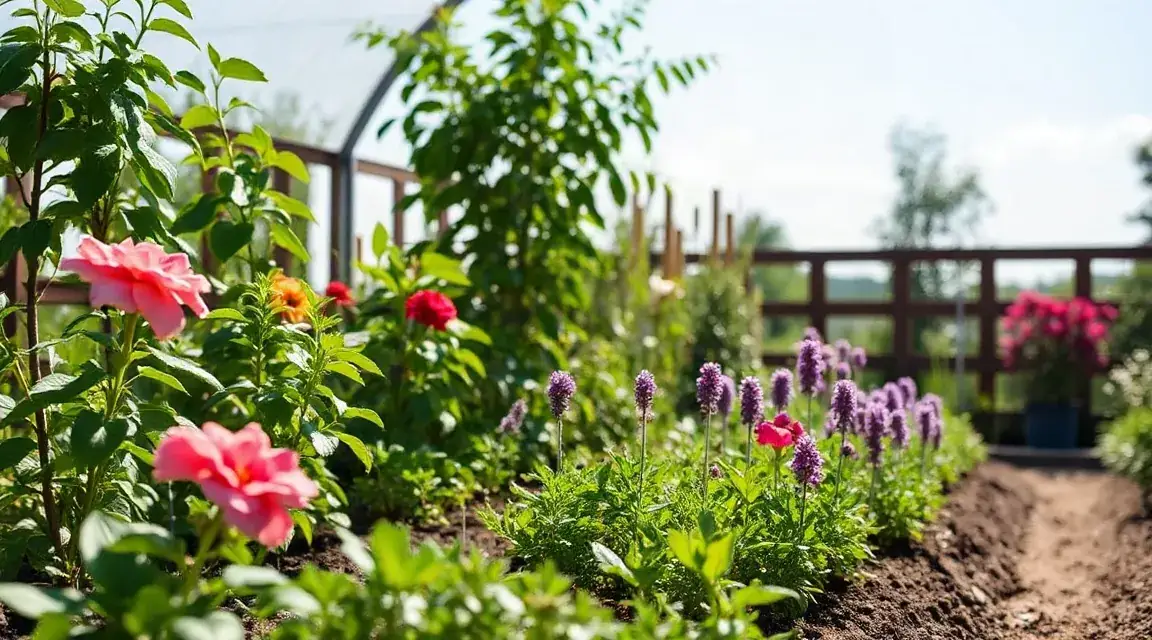
Understanding the Philosophy Behind Sustainable Gardening
Sustainable gardening operates from a fundamental principle: working with nature rather than against it. Unlike conventional gardening approaches that rely on synthetic pesticides, chemical fertilizers, and resource-intensive methods, sustainable gardening seeks to create a balanced ecosystem where plants, soil, insects, and water systems thrive in harmony. This philosophy recognizes that a garden is not an isolated plot of land to be controlled, but rather a living community that reflects the broader natural world.
At its core, sustainable gardening asks three essential questions: How can I grow food and beauty while conserving water and energy? How can I build soil health and biodiversity rather than deplete them? And how can this practice deepen my personal connection to the seasons and rhythms of nature? These questions guide every decision—from the plants you choose to the composting methods you implement. The approach encourages patience, observation, and a willingness to learn from both successes and failures. Over time, sustainable gardening becomes a meditative practice that slows you down, grounds you in the present moment, and reminds you of your interdependence with the living world.
Building Healthy Soil: The Foundation of Your Garden
Soil is the heart of any thriving garden, and sustainable gardening begins with understanding and enriching this vital foundation. Healthy soil is alive—teeming with microorganisms, earthworms, and fungi that create a complex network of nutrients and support. Rather than relying on chemical fertilizers that provide a quick nutrient fix, sustainable gardening focuses on building soil structure and biology over time through organic matter and natural processes.
Composting is the cornerstone of sustainable soil building. By composting kitchen scraps and yard waste—vegetable peelings, coffee grounds, leaves, grass clippings—you transform what would otherwise be landfill waste into rich, dark, crumbly material brimming with nutrients. Start composting with this practical approach: establish a designated compost area or bin, layer "brown" materials (dried leaves, shredded paper, straw) with "green" materials (food scraps, grass clippings, plant trimmings), keep the pile moist like a wrung-out sponge, and turn it every two to three weeks. Within three to six months, depending on climate and management, you will have finished compost ready to enrich your garden beds. As you add compost to your soil each season, you build structure, water retention, and nutrient availability—creating conditions where plants naturally flourish and pest pressures naturally decrease.
Beyond composting, consider incorporating other organic amendments: aged manure from herbivorous animals, leaf mold made from decomposed leaves, peat alternatives like coconut coir or wood fiber, and natural mineral supplements like rock dust or kelp meal. A simple soil test—available from garden centers—can reveal your soil's pH, nutrient levels, and organic matter content, guiding you toward targeted improvements. By treating soil as a living ecosystem to nurture rather than a medium to manipulate, you create conditions for long-term garden health and productivity.
Water Conservation and Mindful Watering Practices
Water is increasingly precious, and sustainable gardening demands thoughtful stewardship of this essential resource. Rather than defaulting to frequent, shallow watering or letting sprinklers run indiscriminately, sustainable gardeners learn to water deeply and less frequently, encouraging plant roots to develop deeper resilience. This approach not only conserves water but also builds stronger plants better able to withstand drought stress.
Implement these water conservation strategies in your garden: water early in the morning or in the evening to minimize evaporation; water at the base of plants rather than overhead, directing moisture to roots rather than leaves; apply a two- to three-inch layer of organic mulch (wood chips, straw, or shredded leaves) around plants to retain soil moisture and moderate soil temperature; and install drip irrigation or soaker hoses that deliver water slowly and directly to the soil. For containers, consider self-watering systems or group pots together to create humidity and reduce individual watering needs. If feasible, capture and store rainwater in a rain barrel—a 50-gallon barrel can collect approximately 300 gallons of water from a 1,000-square-foot roof over an inch of rainfall, providing free irrigation during dry spells.
Mulching deserves special emphasis because it serves multiple functions simultaneously: it conserves water by reducing evaporation, regulates soil temperature, suppresses weeds naturally, feeds the soil as it decomposes, and creates habitat for beneficial insects. Organic mulches like wood chips and straw also improve soil structure over time as they break down. By covering bare soil with mulch, you can reduce how often you need to water while also supporting soil health—a good example of how sustainable practices create cascading benefits.
Choosing Plants and Supporting Biodiversity
The plants you cultivate are not merely decorative or productive elements—they are active participants in your garden's ecosystem and reflections of your values. Sustainable gardening emphasizes selecting plants adapted to your local climate, soil, and water availability, often termed "right plant, right place." Native plants are particularly valuable because they have evolved in relationship with local insects, birds, and soil conditions, requiring minimal supplemental water or fertilizer once established.
Find out which native plants suit your region by asking a local nursery, botanical garden or native plant society. Native trees, shrubs, perennials, and groundcovers create a foundation for biodiversity while reducing maintenance demands. Complement native plants with food-producing species—heirloom vegetables, fruit trees, berry bushes, and herbs—that have been passed down through generations and are prized by many gardeners for their flavor.
Beyond plant selection, foster biodiversity by creating habitat for beneficial insects, birds, and pollinators. Install native flowering plants that bloom across seasons, providing nectar and pollen year-round. Leave some areas intentionally "messy"—dead wood, dense plantings, and undisturbed soil—where ground-nesting bees and other insects can shelter. Avoid pesticides entirely, recognizing that many garden pests have natural predators; by supporting biodiversity, you establish natural pest management. A garden teeming with ladybugs, lacewings, parasitic wasps, and other beneficial insects self-regulates without chemical intervention. This shift from control to collaboration fundamentally changes your relationship with your garden and the living world it contains.
Practical Sustainable Gardening Checklist
Whether you are beginning your sustainable gardening journey or refining existing practices, this checklist provides concrete starting points:
- Soil Building: Start a compost system for kitchen and yard waste; add finished compost to beds annually; conduct a soil test to understand your baseline; incorporate organic mulch around plants.
- Water Conservation: Mulch all planted areas; install drip irrigation or soaker hoses if feasible; set up a rain barrel; water early morning or evening; water deeply and less frequently rather than shallow and often.
- Plant Selection: Research and plant native species suited to your region; choose heirloom vegetables and adapted perennials; plan for year-round nectar and pollen sources for pollinators.
- Pest Management: Eliminate all synthetic pesticides; hand-pick pests when necessary; encourage beneficial insects through diverse plantings; use row covers and companion planting to prevent pest problems.
- Energy Reduction: Minimize tilling or digging that disrupts soil structure; grow food close to home to reduce transportation; use hand tools instead of powered equipment when practical; plan garden layout to reduce walking distance.
- Community Connection: Share surplus produce and seeds with neighbors; participate in community gardens; join local gardening groups; save seeds from successful plants to build adapted varieties.
The Deeper Rewards: Connection, Resilience, and Well-Being
While the practical benefits of sustainable gardening—fresh food, reduced water and energy consumption, enhanced biodiversity—are significant, the personal transformation may be even more profound. Gardening is inherently a practice of presence and mindfulness. When you kneel in soil to plant seeds, you cannot simultaneously scroll through your phone or mentally rehearse tomorrow's meetings. The garden demands your attention, drawing you into the present moment through sensory engagement: the feel of soil, the scent of earth after rain, the visual progression of growth, the sounds of birdsong and insects.
Regular gardening also cultivates resilience and patience. You plant seeds not knowing with certainty what will grow. Some seasons yield abundance while others present challenges—weather extremes, unexpected pests, or failed experiments. Rather than experiencing this as failure, sustainable gardeners learn to observe, adjust, and try again. This capacity to embrace uncertainty, learn from setbacks, and remain engaged despite unpredictability strengthens your resilience in all life domains. Many gardeners also say that time outdoors improves their mood and gives them a sense of purpose and connection.
As you invest in your garden—observing insects return, watching soil transform, harvesting food you have nurtured—you develop a tangible understanding of your relationship with the natural world. This is not abstract environmentalism but lived experience: you understand water scarcity because you have managed irrigation during drought; you comprehend biodiversity because you have witnessed how diverse plantings support abundant insect and bird populations; you grasp the value of soil health because you have felt the difference between dead, compacted earth and living, crumbly compost-enriched beds. This embodied knowledge becomes a foundation for more conscious choices throughout your life.
Getting Started: A Practical First-Year Plan
If you are ready to begin sustainable gardening but unsure where to start, here is a realistic plan for your first year:
- Month 1: Assess your space—observe sunlight patterns throughout the day, identify water sources, evaluate soil conditions. Visit local native plant nurseries and meet gardeners in your community to learn what thrives locally.
- Month 2-3: Build or purchase a compost bin; begin collecting materials. Prepare garden beds by clearing grass or weeds and adding a three- to four-inch layer of compost or aged manure.
- Month 4: Plant native trees and shrubs (best done in spring or fall depending on your climate); install mulch; sow seeds or transplants of vegetables and herbs suited to the season.
- Month 5-8: Maintain consistent mulching and watering; observe which plants thrive and which struggle; begin harvesting; enjoy watching pollinators and beneficial insects arrive.
- Month 9-12: As seasons shift, plant cool-season crops; continue composting; save seeds from successful plants; reflect on what worked and what you would adjust next year; add more finished compost to beds as it becomes available.
This timeline is flexible and should be adjusted to your local climate and personal circumstances. The key is beginning where you are, with what you have, and allowing your practice to deepen over time. A single container of herbs on a balcony is a valid starting point; a small raised bed in a sunny corner requires minimal initial investment; a larger plot allows for more diversity. What matters is that you begin, remain patient with yourself and nature, and allow the practice to unfold.
Not Sure What to Read Next?
Answer five short questions and get a reading suggestion from this site. Nothing is sent or stored.
Take the Topic QuizOccasional Updates
If you would like an email when new articles are added, you can ask to be put on our newsletter list. It is free, and you can ask to be removed at any time.
Newsletter Signup